Levers and weight
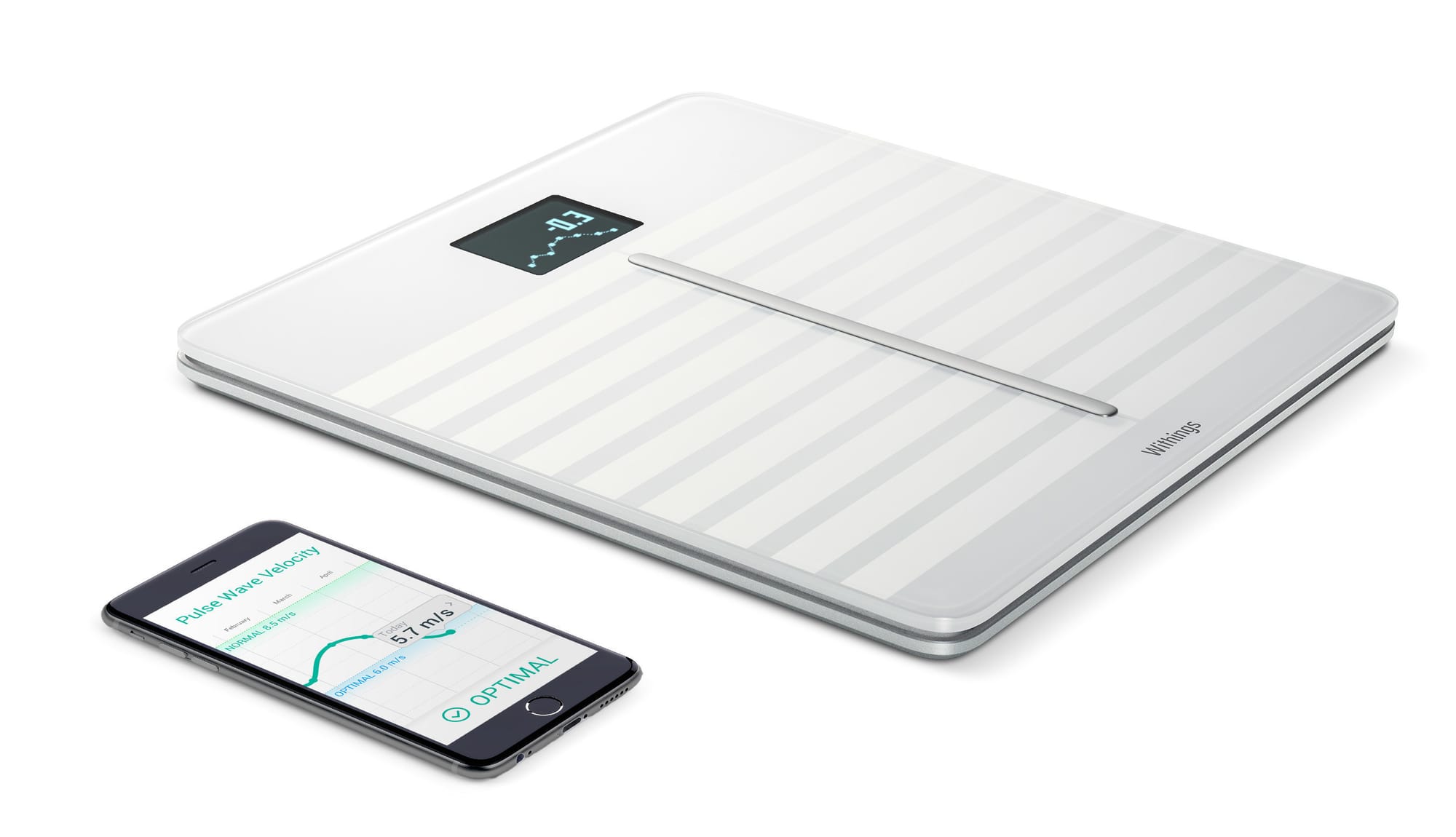
Whenever I come across a problem I like to try to look at it from a systems perspective - reducing the problem down to some simple enough abstraction to reason about, working out how to change the outcome based on inputs to the problem.
At my age - 34 - elevated blood pressure mostly comes down to:
- Weight - eating too much leads to more fat, strain, and load on the heart
- Alcohol - drinking booze definitely adds to the equation
- External factors - stress, basically
- Overall cardio health - i.e. how healthy is your heart? Exercise, etc long term
That's the levers I need to pull on to shift the dial.
So - alcohol, easy, by and large. Just stop drinking. I've done that plenty, though not long-term (3-6 months at a time is all I've managed). Practically, cutting down from where I was (too much) to a few units a week is enough, so a single G&T a couple times a week is fine. What changes I make have to be sustainable, and having the odd drink is alright.
External factors. Well, I can't quit the job, and I don't want to. I've got a mortgage, not a ton of savings, and winter's coming up - the heating oil tank (yes, I'd love a heat pump) needs a refill. We could manage with me unemployed for a few months, but it'd be unpleasant, and having cash coming in helps pay for fitness tools. I'd be very stressed, more to the point - so it's not necessarily a benefit to walk away from the job in health terms! But we definitely need to make changes there. More in another post, perhaps.
Cardio health - that'll be a tricky one, but one to start on early. More on that in a later post, too.
Weight - I've been trying for years. I've done calorie-counting, I've done simply not buying unhealthy foods - I always crack and end up eating more than my target, or feel so bad I can't function. Crisps and other junk foods end up snuck into grocery orders, somehow.
But this is by far the most important factor now. How do I change the outcomes here?
Eating less vs exercise
Most of you reading this will already roughly know how many calories you burn through exercising vigorously for an hour or two, and you'll know it's a depressingly small number. It's also really hard to measure/estimate accurately.
The only practical way to lose weight is to eat less. Exercising enough that you can actually burn off all the calories you're eating and end up at deficit is unsustainable unless you're in very good physical condition (athletes) and in any case you'll gain muscle mass, so not actually lose weight. So pointless for heavy, unathletic me.
So the goal here is a serious calorie deficit, sustained for months. That means actually consuming fewer calories consistently, every day.
As an aside, smartwatches and "active calories" are a thing.
Having a view of how many calories you're burning additional to your base is still a useful number day-to-day for unusual days, though you shouldn't eat to that. I've had a Garmin Fenix 6 Pro smartwatch for absolutely yonks, and upgraded to the shiny new Fenix 8 Pro last month (the battery of the 6 was only lasting about two days - nearing Apple Watch territory, brr). They're really useful tools and give you plenty of data, but calorie burn is not a particularly accurate metric. Still, if you've done tons of walking round a trade show, spent an afternoon exercising, or whatnot, and "burned" an extra 1,000kcal, you can at least have confidence that a 300kcal top-up snack isn't going to totally blow your weight loss for the day.
However, I started off using MyFitnesPal which pulls these figures from Garmin and add them to your calorie target. This is an easy way to lose weight very slowly. Eating to half the active calories is a reasonable start but it's best not to target them unless you've definitely expended lots of extra calories (and feel hungry!)
Tirzepatide for beginners
So, targets first: I'm trying to go from 128kg to 80kg, the middle of the "healthy" BMI range for my height. That gets me comfortably healthy and enough buffer for some variance month-to-month without worry. That's a 48kg delta. (No, sorry, I won't convert that to imperial units - learn metric/SI, it's 2025). To do that I am going to have to eat a lot less than I am right now.
I'd been keeping half an eye on the whole semaglutide/tirzepatide thing for a while. Given that the main benefit was apparently not feeling as hungry and my main issue with losing weight was feeling too hungry to function, it made sense that GLP-1 receptor agonists would potentially help, but it was expensive, a medical intervention, and everyone talks about the "lifestyle changes" one needs to make. I was wary.
That didn't appeal to stressed-out me. Stressed out me was too busy working out if I had time to throw a shoulder of pork on the Big Green Egg at the weekend for some pulled pork buns the next couple of days, or was ordering another takeaway for a long evening of refactoring some bit of a billing system.
Now, though, I figured "lifestyle changes" were going to have to happen. What else could I change? My lifestyle was the problem! What I had been doing was not working!
The GP I'd originally spoke to recommended I consider Mounjaro/tirzepatide, which is both a GLP-1 RA and a GIP analog - more effective than Wegovy/Ozempic (semaglutide - though now much more expensive than semaglutide, since Lilly bumped the price up in the UK).
I went with Bupa's weight loss program to buy it since I was already signed up with Bupa; the initial consultation was very helpful but you then get the first six months self-regulated (each month you get a questionnaire by email to fill out and say if you want to go up a dose, stay at the current dose, or reduce). Every six months you get another GP chat to re-prescribe it. There's a bunch of programmes like this out there now. In theory the Bupa one also comes with a monthly check-in with someone to provide advice on lifestyle changes etc but due to an admin error I've not had this yet; there is also 24/7/365 nurse support, which is a good support route.
Therapeutic doses
I coughed up the short end of £200, and my first dose showed up the next day. It's an injector pen - you get a pack of disposable needles integrated in caps, a pen to attach them to, a pack of alcohol wipes (to clean the pen, not you, though it's not a bad idea to have a quick swab down) and a sharps bin. Amusingly, the sharps bin they sent was too small to allow the needle caps through the hole; I had a spare sharps bin of an appropriate size, happily, though I think that I'm possibly in the minority there.
The plunger is attached to a sort of ratcheting dose mechanism. You screw the needle cap on, wind the plunger out a bit and push it to prime the needle, then screw out to the dose marker. Then you press against your skin in your belly or arm, push the plunger down, wait 10 seconds and you're done. Having done it a dozen or so times now, it's easy enough and practically painless, so that's nice. I'm no good with needles but I got over my trepidation by week 3.
The initial dose is "non-therapeutic" - in that they never studied it as potentially having an impact. But I was pretty immediately feeling less hungry. Some of that might be placebo, but hey. I wasn't going to complain about instant help.
The purpose of the drug is twofold:
- It makes your stomach actually empty slower - you cannot process food so quickly. This means if you just eat like you would normally you'll feel nauseous and vomit. But this means you feel fuller for longer and have slower release of energy from the food you eat.
- Even if your stomach isn't empty, you still feel full most of the time.
Changing my food relationship
So for me, food rapidly shifted from "thing I eat if I'm stressed/bored" to "something I need to plan for" or even a chore. I can be sitting around midafternoon having had 400kcal in the morning and not feel like I need to eat. Which is insane, compared with how I'd normally feel on 400kcal.
The day I wrote this, I had my 400kcal breakfast, worked till 2, went to the gym, worked till 6, did a half-hour cardio workout, then realised it was time to eat dinner but that I had forgotten lunch. Tracking your intake becomes really important!
Water is also a challenge. You need to drink plenty - weight loss without muscle loss demands it - but the usual desire to drink also goes away. Being a fan of smart widgets, I got a smart bottle that tracks consumption, which helps. Not sure I'd recommend this particular one but it works OK - a HidrateSpark - the app is a bit flaky and there's no real on-bottle UI other than a big LED ring to remind you to drink, but that does act as a good nudge if I'm sat at my desk having meetings or writing code.
I've ratcheted up twice now - to 5mg and 7.5mg - and each time the step up has been a bit rough for a week, but things settle down. My stomach's less settled, I feel more fatigued, eating is harder (but then that's the point). So far I've not had any exciting side effects. 7.5mg is still settling down for me a week or so on - I've had more gastric issues and so on since then. I might back off to 5mg if it doesn't settle down this month. Everyone's tolerated dose is different, so YMMV.
So that's the drug that lets me eat less without going mad or giving up. Now the actual eating less bit.
The next instalment is yet to come, but I'll pop a link here once it's posted.